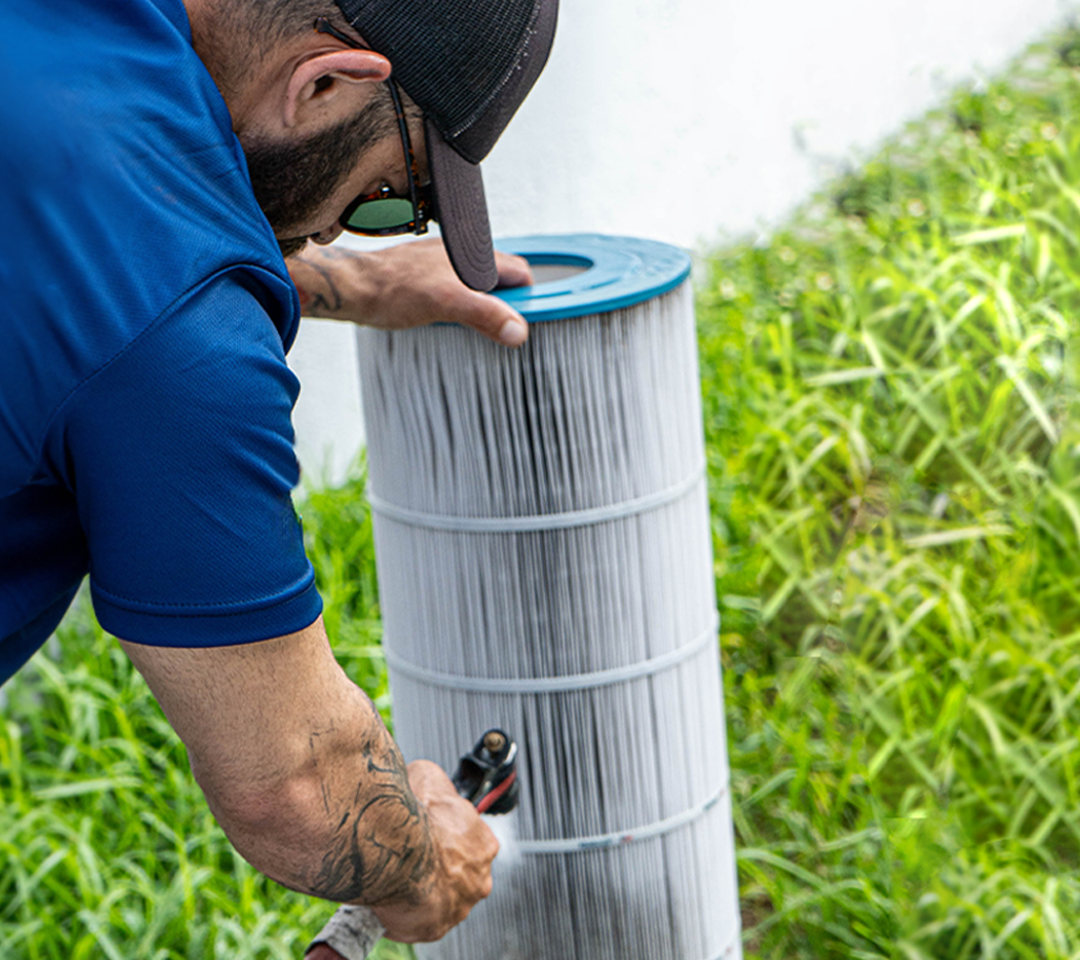
A swimming pool can only perform as well as its filtration system. Pool filter is responsible for removing dirt, debris, oils, and contaminants that affect water clarity and safety. When filters are neglected, even the most beautiful pool can quickly turn into a maintenance problem.
Regular filter maintenance is not just a routine task. It is a critical step in protecting your pool, your equipment, and your investment.
Why Pool Filters Matter More Than Most Homeowners Realize
Pool filters work continuously to trap particles that the eye cannot always see. Over time, these particles build up and restrict water flow. When that happens, the system works harder, chemicals become less effective, and water quality declines.
A clean filter allows proper circulation, balanced chemistry, and consistent water clarity. A dirty filter does the opposite, leading to cloudy water, algae growth, and unnecessary strain on pumps and heaters.
How Regular Filter Maintenance Prevents Costly Repairs
One of the most common causes of pool equipment failure is restricted water flow. When filters are clogged, pumps must work under pressure, which shortens their lifespan and increases energy consumption.
Regular filter cleaning and inspections help prevent damage to pumps, heaters, and valves. This proactive approach reduces emergency repairs and extends the life of your entire pool system.
For property owners and investors, this means predictable costs instead of unexpected expenses.
Different Filter Types Require Different Care
Not all pool filters are the same, and each type requires specific maintenance.
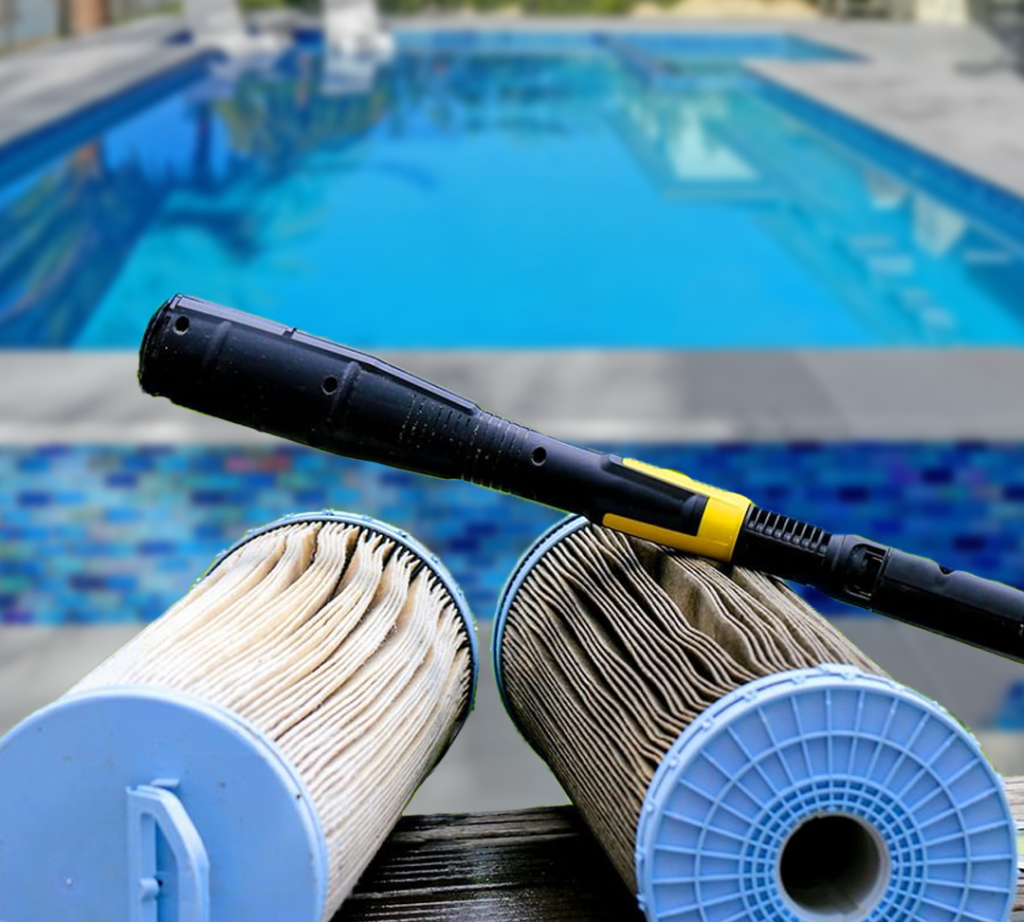
Sand filters need periodic backwashing and occasional sand replacement. Cartridge filters require removal and thorough cleaning to maintain proper flow. Diatomaceous earth filters need careful handling, cleaning, and recharging to remain effective.
Understanding your filter type and maintaining it correctly ensures optimal performance and water quality year round.
Better Water Quality and Healthier Swimming Conditions
A properly maintained filter improves water clarity and reduces the amount of chemicals needed to keep the pool balanced. When filters are clean, chlorine and other sanitizers work more efficiently, creating safer and more comfortable swimming conditions.
This is especially important for families, rental properties, and homes with frequent pool use, where water quality directly impacts health and enjoyment.
Why Regular Maintenance Adds Long Term Value
Pools that receive consistent maintenance are easier to manage, less expensive to operate, and more attractive to buyers and renters. A documented maintenance routine signals proper ownership and care, which helps protect property value.
For investors, regular filter maintenance supports higher returns by reducing downtime, service calls, and major system failures.
Frequently Asked Questions About Pool Filter Maintenance
Cleaning frequency depends on pool usage and filter type. Most residential pools benefit from filter maintenance every few months, with inspections performed more frequently.
Neglected filters can cause poor water quality, algae growth, equipment damage, and higher energy costs.
Yes. Restricted flow from dirty filters places stress on heaters and pumps, often leading to premature failure.
Professional service ensures proper cleaning, early issue detection, and correct handling of different filter systems.
Work With Professionals You Can Trust
At Master Touch Outdoor Living, we understand that reliable pool performance starts with proper maintenance. Our team provides professional pool service designed to keep filters clean, systems efficient, and water consistently clear.